
Menu Decorator

Homologation and development testing of batteries and components according to UN Regulations Nos. 100 and 10

Go back to the list

Homologation and development testing of batteries and components according to UN Regulations Nos. 100 and 10

BOSMAL Automotive Research and Development Institute Ltd. performs testing of traction batteries, REESS systems, high-voltage components and other electrical and electronic components used in electric and hybrid vehicles.

The scope includes verification of electrical, mechanical and functional safety, as well as assessment of electromagnetic compatibility of components and electrical/electronic systems — E/E.

According to Decision No. TD-5i-027-17(4)/13 of the Polish Minister of Transport, Construction and Maritime Economy of 14 October 2013, as amended, BOSMAL is authorised to perform activities related to conducting type-approval tests of parts or equipment, including electric batteries, in accordance with the requirements of UN Regulation No. 10 and UN Regulation No. 100.

Testing according to UN Regulation No. 100

UN Regulation No. 100 specifies requirements for the approval of vehicles with regard to specific requirements for the electric powertrain, including Rechargeable Electrical Energy Storage Systems — REESS.

Within BOSMAL’s testing capabilities, the scope includes, among others:

  • standard cycles for checking REESS functionality,
  • thermal shock and temperature cycling tests,
  • vibration and mechanical shock resistance tests,
  • mechanical integrity tests,
  • fire resistance tests,
  • verification of protection against external short circuit,
  • verification of overcharge protection,
  • verification of over-discharge protection,
  • verification of over-temperature protection,
  • verification of protection against direct contact with live parts,
  • insulation resistance measurements,
  • thermal propagation tests at cell and module level.

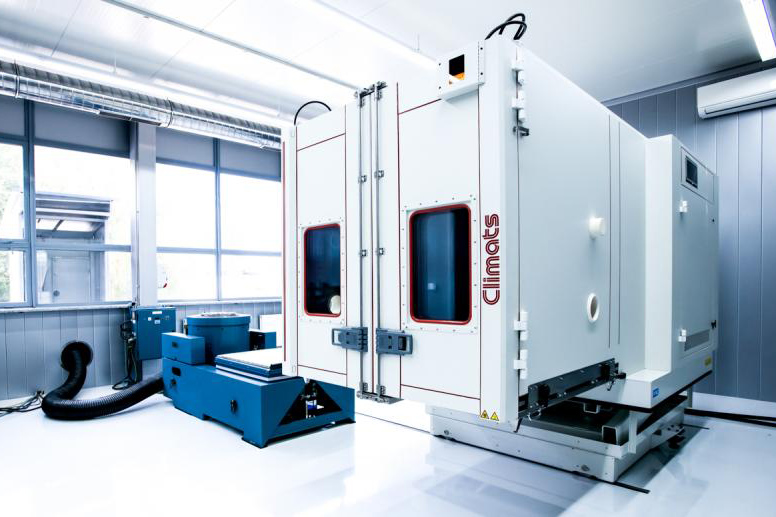
Testing is performed using BOSMAL’s specialised infrastructure, including temperature and climatic chambers, battery charging and discharging systems, mechanical test rigs, a fire resistance test stand and equipment for measuring electrical parameters.

Testing according to UN Regulation No. 10


UN Regulation No. 10 specifies requirements for the approval of vehicles, components and separate technical units with regard to electromagnetic compatibility.

BOSMAL is developing its testing capabilities in the field of electromagnetic compatibility assessment of components used in electric and hybrid vehicles, including high-voltage components and electrical/electronic systems.

The testing scope includes, among others:

  • measurement of radiated broadband and narrowband electromagnetic emissions from electrical/electronic sub-assemblies,
  • immunity testing of electrical/electronic sub-assemblies to electromagnetic radiation,
  • immunity and emission testing of transient disturbances,
  • testing of harmonic emissions on AC power lines,
  • testing of voltage changes and voltage fluctuations on AC power lines,
  • testing of conducted radio-frequency disturbance emissions on AC or DC power lines,
  • testing of conducted radio-frequency disturbance emissions on network and telecommunication interfaces,
  • immunity testing against electrical fast transients / burst disturbances conducted along AC and DC power lines,
  • immunity testing against surges conducted along AC and DC power lines.

In addition, we perform testing of HV systems and components, such as traction batteries and electric drives / e-axles, for compliance with ISO 21498-2 and VW 80300.   

The detailed testing scope, technical conditions and accreditation status are confirmed individually for each project.

Testing infrastructure

BOSMAL has specialised testing infrastructure supporting the validation of batteries, REESS systems and HV components, including:

  • temperature and climatic chambers,
  • a complete test cell for traction battery testing, consisting of a climatic chamber, a 250 kW cycler, a battery cooling circuit conditioner, data acquisition system and fire suppression system,
  • charging and load system up to 1000 V DC / 250 kW,
  • mechanical test rigs,
  • fire resistance test stand,
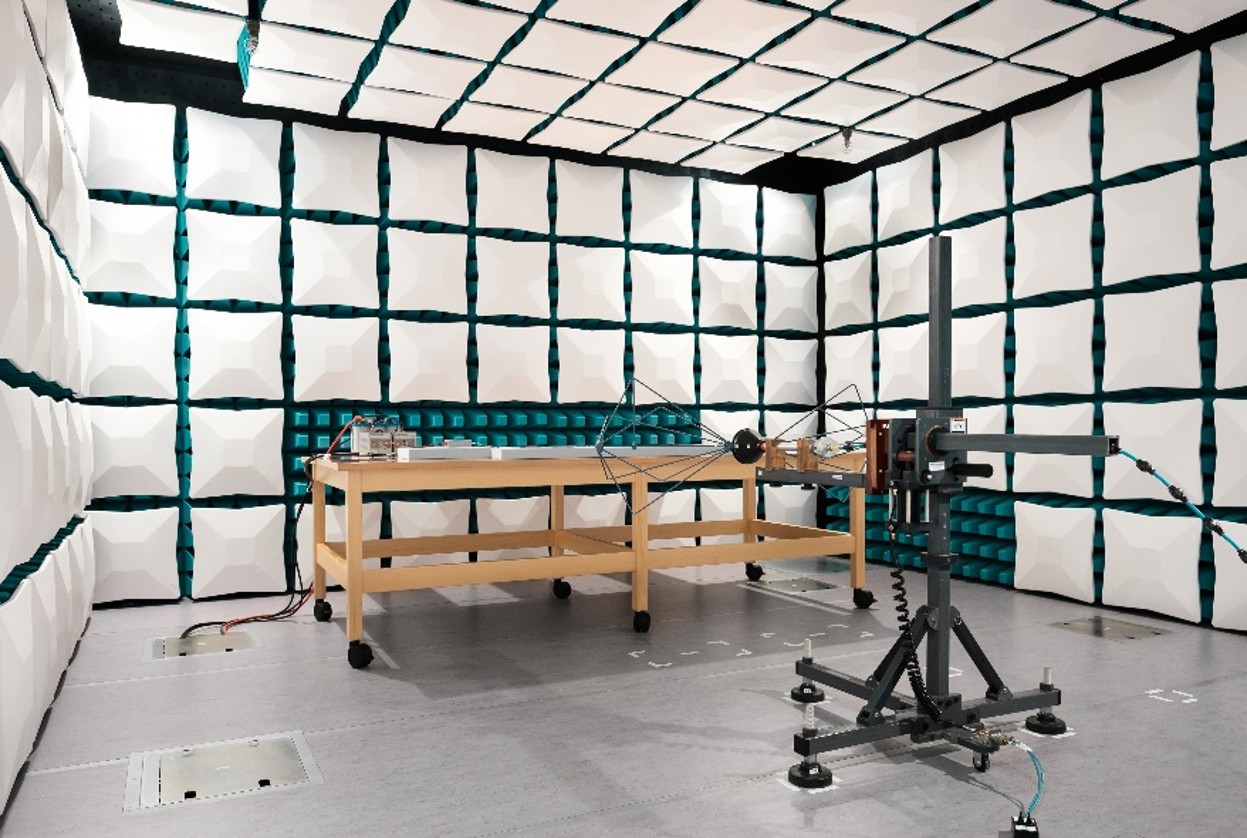
  • ALSE chamber,
  • RF system for immunity testing,
  • emission measurements up to 9 GHz.

Target customers

The offer is addressed, among others, to:

  • manufacturers of traction batteries,
  • manufacturers of modules and cells,
  • manufacturers of HV components,
  • manufacturers of electric and hybrid vehicles,
  • suppliers of charging systems,
  • integrators of electrical and electronic systems,
  • companies preparing products for homologation, validation or development testing.

Why BOSMAL?

BOSMAL combines the competences of a research and development institute, a testing laboratory and an entity authorised to perform type-approval testing. This enables comprehensive support for projects related to the development, validation and preparation of components used in electric and hybrid vehicles for the homologation process.

Environmental, mechanical, electrical, thermal, functional and electromagnetic testing can be performed in one place, helping to reduce technical project risks, shorten the validation process and better prepare the product for further stages of conformity assessment.


Back
to top