
Mechanical shock testing of automotive batteries according to Annex 9C of UN ECE Regulation No. 100
Our test rig enables reliable verification of battery quality by simulating the inertial forces occurring during a vehicle crash. These tests are crucial for assessing the risk of short circuits in the battery’s electrical system and the associated fire hazard.
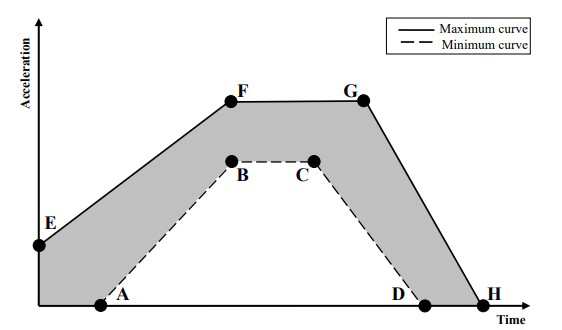
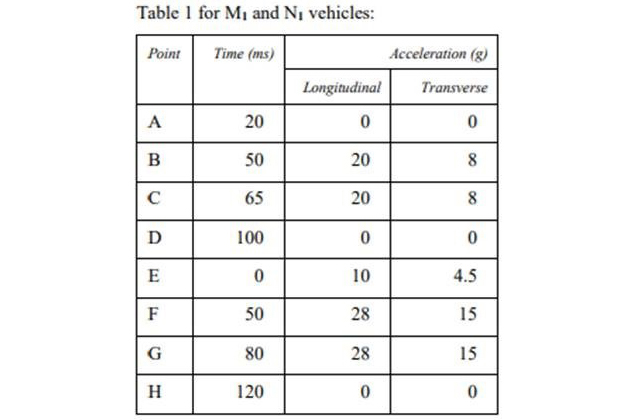
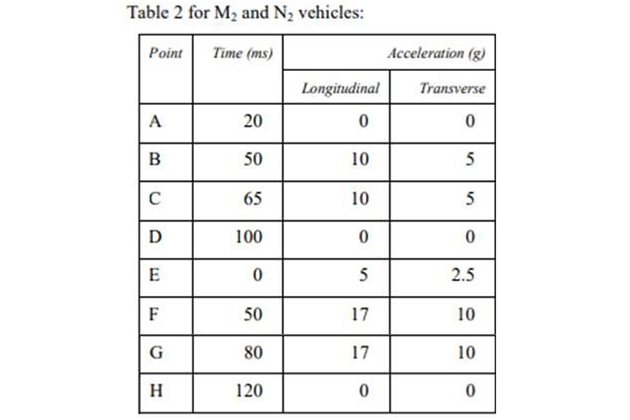
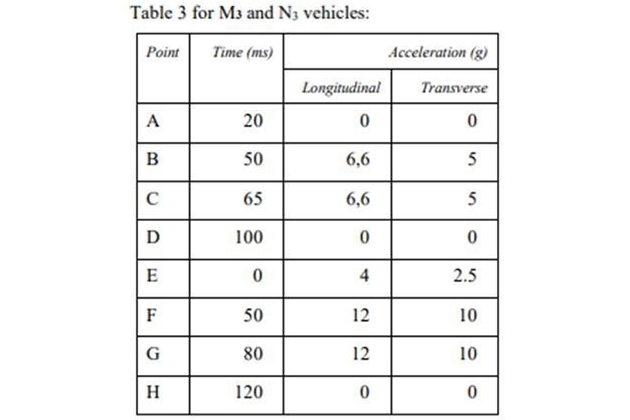
The infrastructure allows for conducting the Annex 9C “Mechanical shock” test in accordance with UN ECE (United Nations Economic Commission for Europe) Regulation No. 100, as well as the “Inertial load at a vehicle crash” test according to the ISO 6469-1:2019 standard (section 6.4.1.1.2). Furthermore, the test rig allows for performing any tests that require precise reproduction of acceleration or deceleration profiles over time.
Technical parameters:
- Actuator: force 400 kN, stroke 800 mm
- Maximum speed: 9.5 m/s
- Maximum test specimen mass: 600 kg
- Test table dimensions: 2450 x 1450 mm
- Supported control signal formats: dat, rsp, rpc, acq, tgt, mat, txt, csv