Menu Decorator

Testing of brake discs, brake drums, friction pads and brake shoes

Go back to the list

Testing of braking systems and brake components

LBOSMAL Testing Laboratory provides compreherake shoe and brake lining testing, as well as complete brake system testing, including testing according to UN Regulation No. 90 (UN R90 / ECE R90).

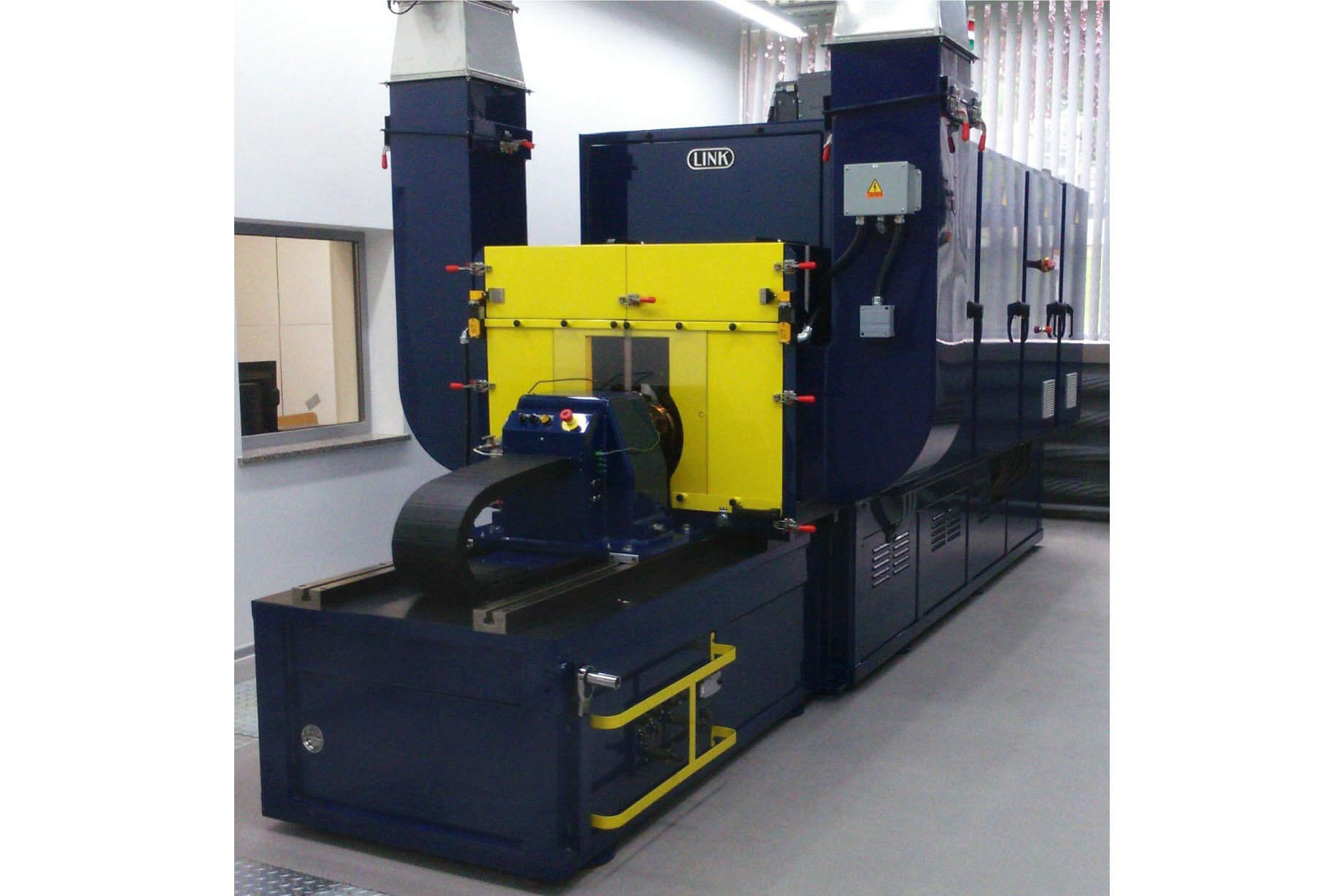
Testing is performed using specialised laboratory facilities, including the full-scale LINK Model M3000 Brake Dynamometer, which enables functional, effectiveness, friction, wear, durability and NVH testing of disc and drum brakes.

We perform testing according to UN type-approval regulations, SAE, ISO and JASO standards, OEM specifications, as well as customer-specific test procedures and individually agreed test programmes.

BOSMAL has over 50 years of experience in brake system testing, combining laboratory and bench testing with testing performed on complete vehicles.

ASK ABOUT BRAKE SYSTEM TESTING

Laboratorium badań układów hamulcowych BOSMAL – dynamometr LINK M3000

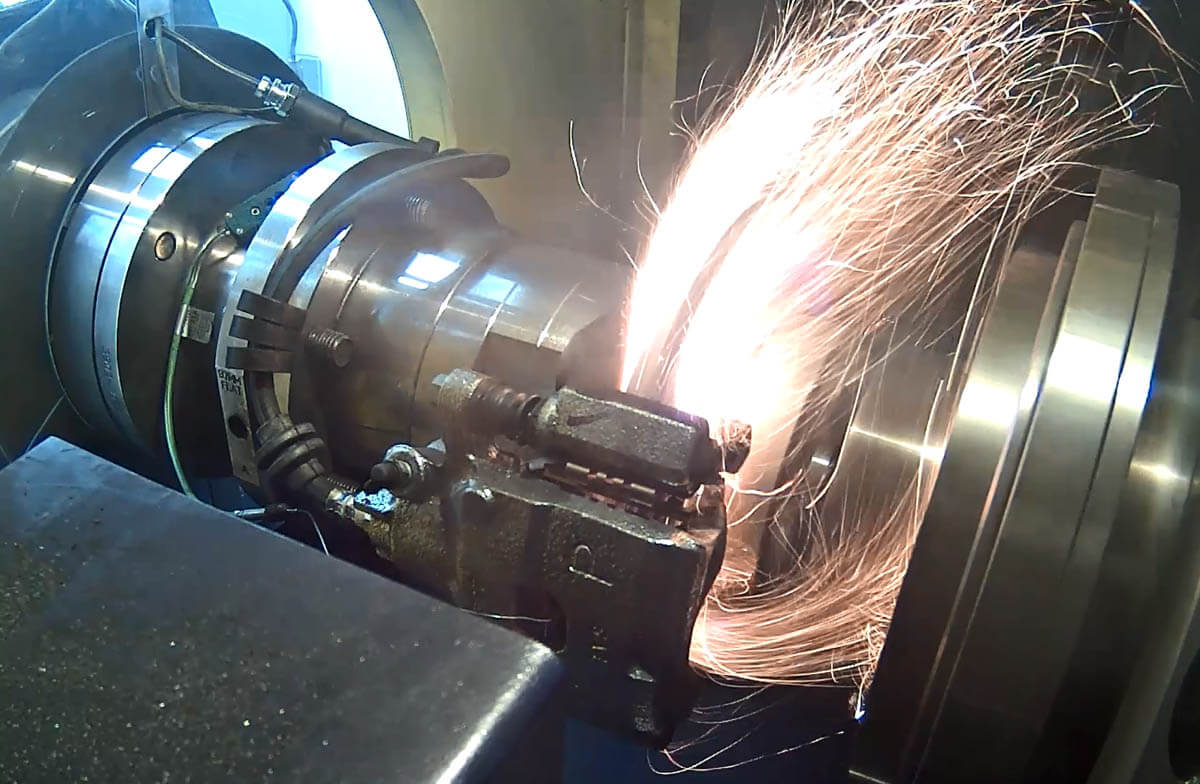
Brake Disc Testing according to UN Regulation No. 90

UN Regulation No. 90 covers, among others:

  • replacement brake discs,
  • replacement brake drums,
  • replacement brake lining assemblies,
  • replacement drum-brake linings.

BOSMAL performs testing in support of the type-approval process according to UN Regulation No. 90, using laboratory test equipment, brake dynamometer facilities and – where required by the applicable procedure – complete test vehicles.jne, dynamometr hamulcowy oraz – w zakresie wymaganym przez odpowiednią procedurę – pojazdy badawcze.

Badanie tarczy hamulcowej zgodnie z Regulaminem ONZ nr 90 – BOSMAL

Scope of testing according to UN Regulation No. 90

The detailed test programme depends on the type of component, its application, vehicle category and the applicable requirements of UN Regulation No. 90.

Depending on the specific case, the scope may include:

  • inertia dynamometer testing among others: Thermal Fatigue, High load, Alternative performance,
  • geometric and dimensional analysis,
  • chemical composition and material,
  • mechanical properties,
  • vehicle testing.

The applicable scope and test methodology are determined individually according to the component and the required type-approval procedure.

ASK ABOUT UN REGULATION NO. 90 TESTING

Badanie tarczy hamulcowej zgodnie z Regulaminem ONZ nr 90 – BOSMAL

SAE J2707 – Brake Friction Material Wear Testing

BOSMAL performs testing according to SAE J2707 – Wear Test Procedure on Inertia Dynamometer for Brake Friction Materials.

The procedure defines inertia dynamometer testing used to characterise wear rates of automotive service brake friction materials, particularly:

  • disc brake pads,
  • brake shoes and linings.

Testing provides controlled and repeatable laboratory conditions for evaluating the behaviour of friction materials and analysing the influence of operating parameters on wear.

SAE J2707 testing can support:

  • comparison of different friction materials,
  • assessment of design variants,
  • product benchmarking,
  • friction material and component development,
  • validation of new solutions,
  • analysis of wear depending on operating conditions.
Badania zużycia tarcz hamulcowych SAE J2707 – BOSMAL

SAE J2522 – AK-Master Brake Effectiveness Testing

BOSMAL performs testing according to SAE J2522 – Inertia Dynamometer Disc and Drum Brake Effectiveness Test Procedure, commonly known in the industry as AK-Master.

The procedure is used to evaluate brake friction material effectiveness under defined braking conditions and to assess its behaviour as key operating parameters change.

The test programme considers the influence of parameters including:

  • brake pressure,
  • speed,
  • temperature,
  • braking sequences,
  • heating and cooling conditions.

SAE J2522 provides repeatable conditions for comparing friction materials and can support:

  • new product development,
  • friction material selection,
  • comparison of alternative designs,
  • design validation,
  • quality evaluation,
  • component benchmarking.
SAE J2522 AK Master – badania skuteczności hamowania na dynamometrze BOSMAL

Inertia and Driving Condition Simulation

The LINK M3000 enables dynamic inertia simulation over a broad range, allowing test conditions to be matched to different vehicle types and brake system configurations.

Precise control of rotational speed, brake pressure, temperature and cooling conditions enables both standardised test procedures and customer-specific development programmes to be performed.

Data Acquisition

During testing, the system can record and analyse in real time parameters including:

  • braking torque,
  • rotational speed,
  • linear speed,
  • deceleration,
  • brake pad or shoe temperature,
  • brake disc or drum temperature,
  • brake pressure,
  • acceleration,
  • fluid displacement,
  • actual inertia,
  • cooling air temperature,
  • cooling air humidity,
  • cooling air velocity,
  • DTV – Disc Thickness Variation,
  • sound pressure level,
  • noise peak frequency,
  • noise peak duration.

Signals can be recorded at sampling rates of up to 1000 Hz.

BOSMAL can also support the analysis and interpretation of test results and the comparison of different friction materials, component designs and brake configurations.

Video Acquisition and NVH Testing

The test chamber is equipped with a video acquisition system enabling the tested brake assembly to be recorded during the test.

Testing can also include simultaneous acquisition and analysis of:

  • brake noise,
  • vibration,
  • acoustic event frequency,
  • acoustic event duration.

Parametry stanowiska LINK Model M3000

ParameterValue
DC Drive Motor Power186 kW
Speed range0-2500 rpm
Maximum braking torque5650 Nm
Minimum simulated inertia5 kg·m²
Minimum mechanical inertia42,7 kg·m²
Maximum mechanical inertia128 kg·m²
Maximum simulated inertia250 kg·m²
Maximum brake pressure200 bar
Maximum pressure ramp rate1000 bar/sec
Badania układów hamulcowych Link M3000

Static Torque System

The LINK M3000 is equipped with a Static Torque System, a low-speed, high-torque drive system designed for testing brake behaviour at very low rotational speeds.

The system can be used for:

  • static brake breakaway testing,
  • static torque testing,
  • creep behaviour evaluation,
  • creep/groan and related low-speed brake phenomena.

System capability:

  • braking torque up to 5650 Nm,
  • rotational speed up to 18 rpm.

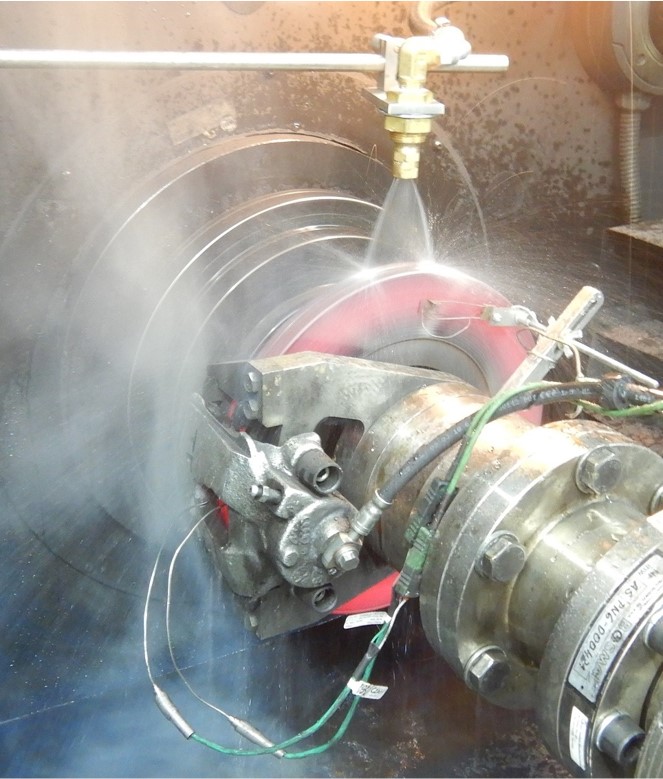
Water Spray – Brake Testing under Wet Conditions

The LINK M3000 enables brake tests to be performed under humid and wet operating conditions, including direct water application to the tested brake assembly.

The Water Spray System can be used to evaluate brake behaviour under conditions representative of exposure to water or wet-road operation.

Maximum water flow:

up to 7 l/min.

Water Spray – badania hamulców w warunkach działania wody BOSMAL

Brake Disc, Brake Drum, Brake Pad and Brake Shoe Testing

BOSMAL Testing Laboratory performs a broad range of tests on brake friction components and their mating parts.

Brake Discs

We test, among others:

  • solid brake discs,
  • ventilated brake discs,
  • brake discs of different designs,
  • brake discs manufactured from different materials,
  • brake discs intended for different vehicle categories.

The scope can include assessment of:

  • brake effectiveness,
  • interaction with the friction material,
  • thermal behaviour,
  • resistance to high loads,
  • thermal fatigue and cracking,
  • wear,
  • durability,
  • DTV – Disc Thickness Variation,
  • NVH – Noise, Vibration and Harshness.

Brake Drums

Brake drums and their associated friction components can be tested under controlled laboratory conditions reproducing representative operating loads.

Testing can include evaluation of:

  • effectiveness,
  • friction characteristics,
  • wear,
  • thermal loading,
  • durability.

Brake Pads

Brake pad testing can include:

  • friction characteristics,
  • coefficient of friction,
  • brake effectiveness,
  • wear,
  • behaviour at different temperatures,
  • influence of pressure and speed,
  • resistance to mechanical and thermal loading,
  • NVH testing,
  • shear testing,
  • compressibility testing,
  • hardness testing,
  • dimensional inspection.

Brake Shoes and Linings

Testing of brake shoes and drum-brake linings can include assessment of:

  • friction characteristics,
  • effectiveness,
  • wear,
  • durability,
  • mechanical properties,
  • dimensional conformity.

Brake System Pressure Testing

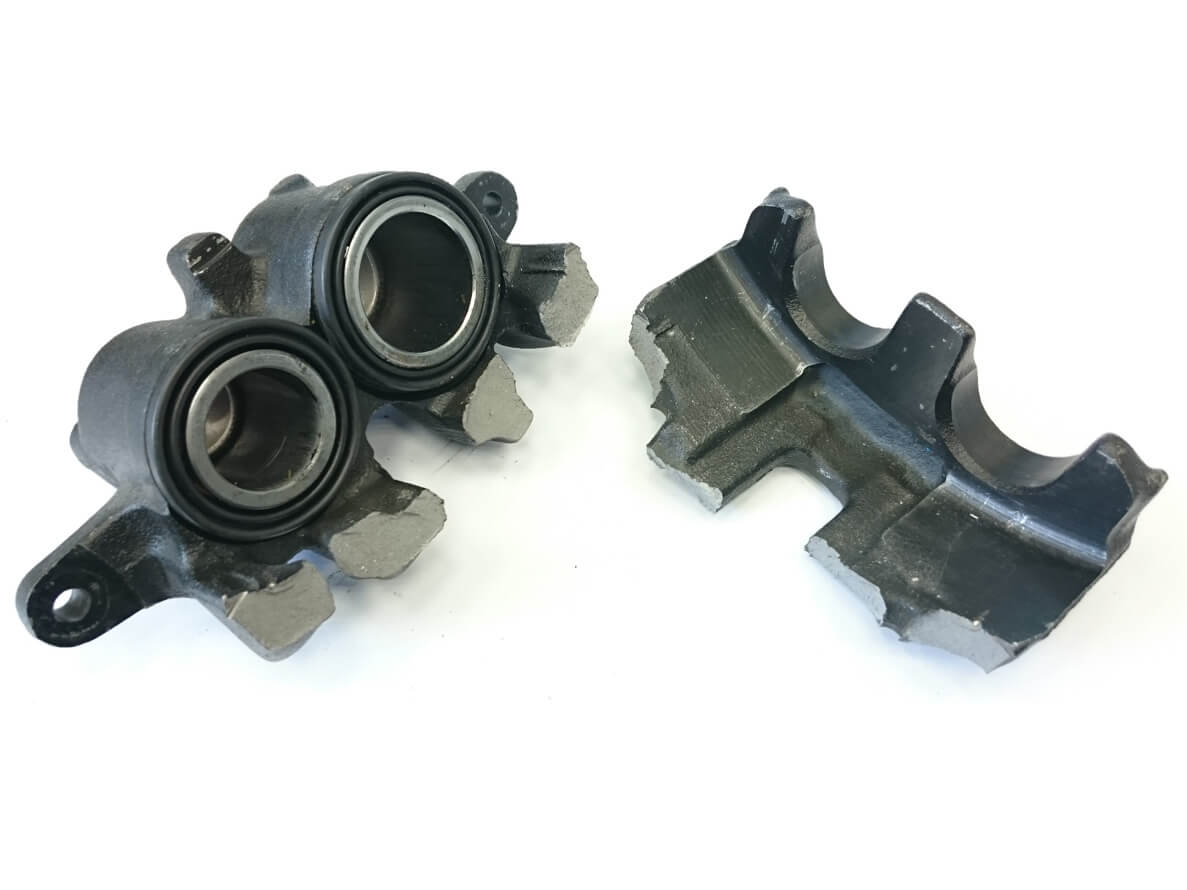
BOSMAL performs bench pressure testing of brake system components to assess leak-tightness, durability and resistance to pressure loads.

The scope includes, among others:

Pressure Pulsation Testing

Brake system components can be subjected to repeated pressure changes according to a defined load profile or customer-specific procedure.

Pressure pulsation testing enables assessment of component behaviour under long-term cyclic loading representative of service conditions.

Burst Pressure Testing – Burst Test

Hydraulic destructive testing used to determine a component’s resistance to increasing pressure up to:

  • failure,
  • permanent deformation,
  • loss of leak-tightness,
  • rupture.

Leak-Tightness Testing

Leak-tightness testing of components and connections used in braking systems can be performed according to project requirements, applicable procedures or customer specifications.dnie z wymaganiami określonego projektu lub procedury.

Badania ciśnieniowe układów hamulcowych - Burst Test BOSMAL

Road Testing of Braking Systems

BOSMAL performs brake system testing on complete vehicles, enabling braking performance to be assessed under actual vehicle operating conditions.

The scope includes:

  • vehicle braking performance testing,
  • component mountability and fitment testing,
  • development testing,
  • testing in support of vehicle type approval.

Vehicle Braking Performance Testing

Testing can include:

  • braking distance measurement,
  • deceleration measurement,
  • brake system response time measurement,
  • force measurement and other braking process parameters,
  • service braking system testing,
  • secondary braking system testing,
  • parking braking system testing,
  • assessment of the ability to hold a vehicle stationary on a gradient.

Vehicles tested can include:

  • passenger cars,
  • commercial vehicles and trucks,
  • trailers,
  • semi-trailers,
  • vehicles equipped with hydraulic braking systems,
  • vehicles equipped with pneumatic braking systems.

Testing can be performed according to applicable requirements including:

  • UN Regulation No. 13,
  • UN Regulation No. 13-H,
  • UN Regulation No. 90.

Contactless methods can also be used to measure vehicle speed and distance.

Badania drogowe skuteczności układów hamulcowych BOSMAL

Mechanical Testing of Brake System Components

BOSMAL performs mechanical testing of brake system components to evaluate their material, structural and functional properties.

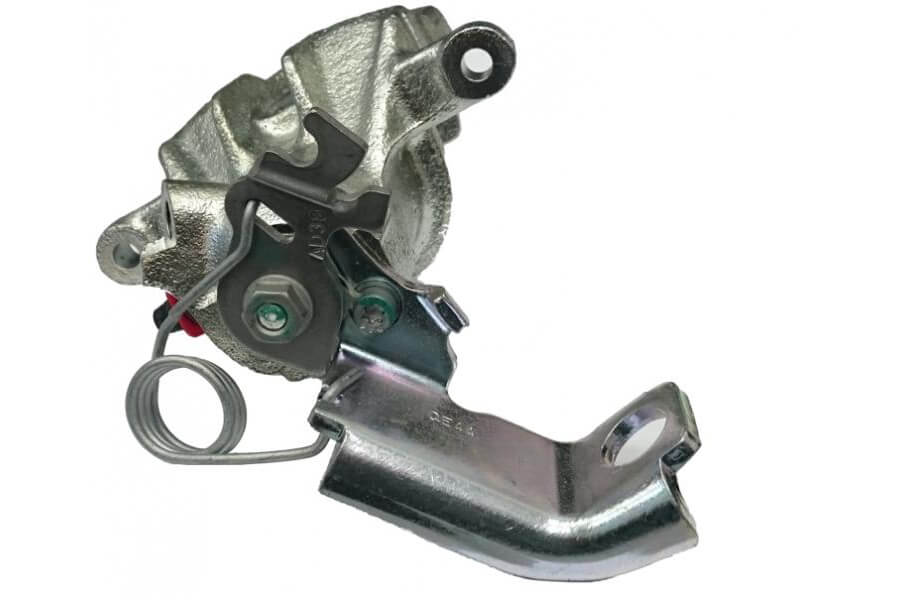
Parking Brake Functionality and Durability Testing

Testing involves cyclic operation of a mechanical parking brake under defined loading conditions.

The test can be used to evaluate:

  • correct system operation,
  • mechanism durability,
  • changes in parameters over the service-life cycle,
  • resistance to repeated operation.

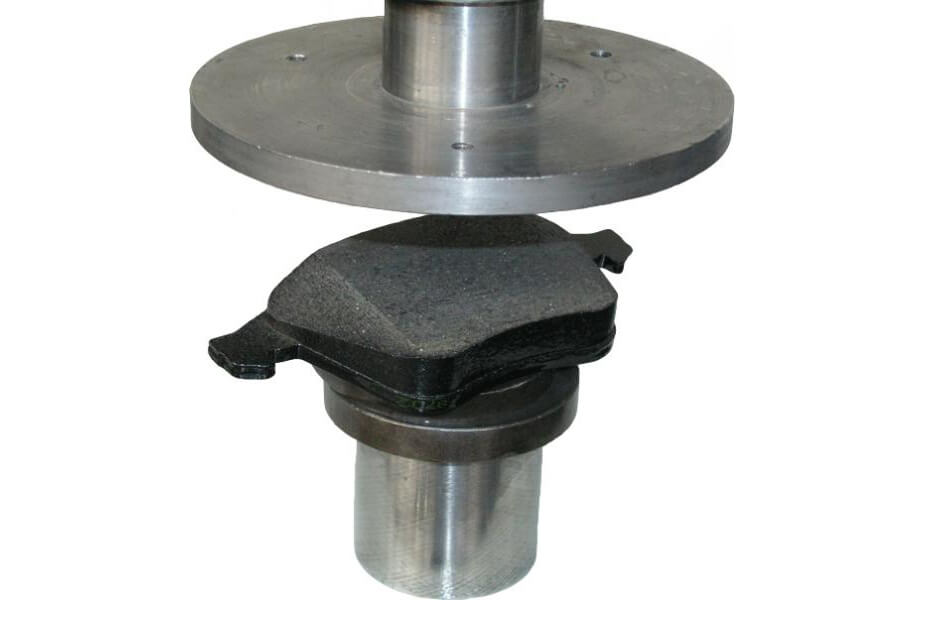
Shear Testing

Measurement of the force required to separate the friction material from its backing plate or supporting component.

The test provides information on the strength and quality of the bond between the friction material and its structural support.

Compressibility Testing

Assessment of the deformation of friction material under a defined compressive load representative of brake caliper actuation.

Hardness Testing

Hardness measurements of brake system components can be performed using:

  • Vickers,
  • Brinell,
  • Rockwell methods.

Dimensional and Geometric Measurements

Dimensional and geometric inspection of braking system components and verification of conformity with:

  • technical drawings,
  • design requirements,
  • customer specifications.
Badania mechaniczne układów hamulcowych badania stanowiskowe

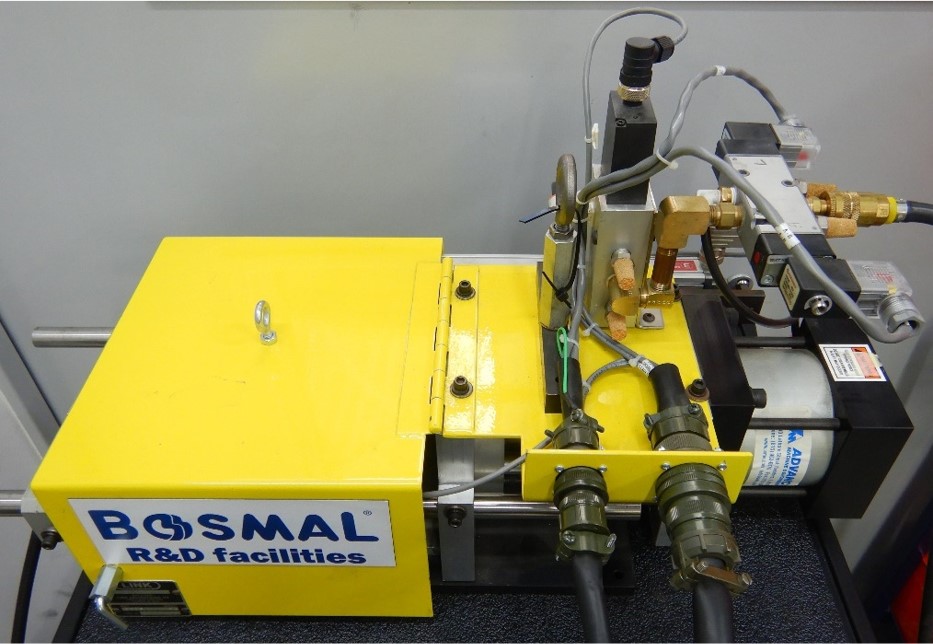
Parking Brake Apply System

BOSMAL operates a system designed to perform controlled testing of mechanical parking brakes by applying a defined force to the brake cable.

The system enables:

  • functional parking brake testing,
  • cyclic testing,
  • durability testing,
  • controlled reproduction of parking brake actuation.

System parameters:

  • maximum force: 3.3 kN,
  • force application rate: up to 2600 N/s.
System testowania działania hamulca postojowego

Standards, Regulations and Test Procedures

BOSMAL performs brake system and brake component testing according to a broad range of international standards, UN type-approval regulations and automotive industry test procedures.

The applicable test methodology is selected according to the component, test objective, applicable requirements and customer specifications.

Society of Automotive Engineers – SAE

SAE J2521 – AK-Noise

Brake dynamometer testing used to evaluate the tendency of a braking system to generate high-frequency squeal noise.

The procedure reproduces a range of brake operating conditions including:

  • low-speed braking,
  • reverse operation,
  • different brake pressure levels,
  • different temperatures,
  • different speeds,
  • operating conditions associated with increased brake squeal tendency.

Selected test sequences can also be performed under low-temperature conditions.

SAE J2522 – AK-Master

Inertia Dynamometer Disc and Drum Brake Effectiveness Test Procedure

The procedure evaluates brake friction material effectiveness under defined operating conditions and enables friction materials to be compared under repeatable dynamometer conditions.

DETAILED DESCRIPTION PROVIDED ABOVE

SAE J2707

Wear Test Procedure on Inertia Dynamometer for Brake Friction Materials

An inertia dynamometer procedure used to characterise wear rates of service brake linings, brake shoes and disc brake pads.

DETAILED DESCRIPTION PROVIDED ABOVE

SAE J2784

FMVSS Inertia Dynamometer Test Procedure for Vehicles Below 4540 kg GVWR

An inertia dynamometer procedure derived from FMVSS 105 and FMVSS 135 vehicle test protocols. It enables brake output, friction material effectiveness and brake corner performance to be evaluated under controlled and repeatable laboratory conditions.

SAE J2928

Brake Rotor Thermal Cracking Procedure for Vehicles Below 4540 kg GVWR

A laboratory procedure for evaluating the initiation and propagation of thermal cracks in brake discs/rotors subjected to high-energy braking conditions.

Other SAE Procedures

Depending on the project scope, testing may also be performed according to other applicable SAE procedures, including:

  • SAE J2788,
  • SAE J2888,
  • SAE J3002.

International Organization for Standardization – ISO

Testing can be performed according to applicable ISO standards and specifications covering brake friction materials, brake lining assemblies and braking system performance.

ISO 11157

Road vehicles – Brake lining assemblies – Inertia dynamometer test method

An inertia dynamometer test method applicable to brake lining assemblies and associated brake system evaluation.

ISO 15484

Road vehicles – Brake lining friction materials – Product definition and quality assurance

A standard covering product definition and quality-assurance requirements for disc and drum brake friction materials.

ISO 26867

Road vehicles – Brake lining friction materials – Friction behaviour assessment for automotive brake systems

The standard is used to assess the friction behaviour of brake friction materials over a range of:

  • speeds,
  • temperatures,
  • pressures,
  • deceleration conditions.

It enables the influence of operating parameters on the friction behaviour of a brake pad or shoe and its mating brake disc or drum to be evaluated.

Other ISO Procedures

Depending on the agreed test scope, BOSMAL capabilities can also include applicable procedures such as:

  • ISO/PAS 22574,
  • ISO 7629,
  • ISO/PAS 12158.

Japanese Automotive Standards Organization – JASO

JASO C406

Passenger Car – Braking Device – Dynamometer Test Procedures

Dynamometer testing of passenger-car service brake performance.

JASO C419

Passenger Cars – Service Brake – Structural Integrity Dynamometer Test Procedure

A dynamometer procedure used to evaluate the structural integrity of passenger-car service brakes.

JASO C427

Automobile Parts – Brake Lining and Disc Brake Pad – Wear Test Procedure on Inertia Dynamometer

A procedure for measuring wear of service brake friction materials, including brake pads and brake shoes, on an inertia dynamometer.

JASO C436

Parking brake dynamometer test procedure.

JASO C442

Parking Brake Structural Integrity Dynamometer Test Procedure

A dynamometer test procedure used to assess the structural integrity of parking brake systems.

JASO C443

Road Vehicles – Service Brake – Dynamometer Simulated Mountain Fade Test Procedure

A dynamometer procedure used to simulate thermal loading of the service brake during prolonged downhill operation – the so-called mountain fade condition.

JASO C456

Test Method for Wear Warning Devices

A test method for devices designed to provide warning of friction lining wear in passenger-car service braking systems.


United Nations Regulations – UNECE

UN Regulation No. 90

Uniform provisions concerning the approval of replacement brake lining assemblies, drum-brake linings, discs and drums for power-driven vehicles and their trailers.

DETAILED UN R90 SECTION PROVIDED AT THE TOP OF THE PAGE

UN Regulation No. 13

Uniform provisions concerning the approval of vehicles of categories M, N and O with regard to braking.

UN Regulation No. 13-H

Uniform provisions concerning the approval of passenger cars with regard to braking.

UN Regulation No. 78

Uniform provisions concerning the approval of vehicles of category L with regard to braking.


Other Test Methods, OEM Specifications and In-House Procedures

BOSMAL also performs testing according to vehicle and component manufacturer specifications, customer requirements and in-house test methods.

The available procedures include, among others:

  • TD-Prüfrichtlinie Stand 30.09.2003, ANHANG 3 – p. 4,
  • TD-Prüfrichtlinie Stand 30.09.2003, ANHANG 1 – pp. 3–4,
  • TD-Prüfrichtlinie Stand 30.09.2003, ANHANG 2 – pp. 3–4,
  • AMS “Auto Moto Sport” – BOSMAL/I-7-103,
  • BOSMAL/I-7-91.

Testing can also be performed according to a customer-supplied procedure or technical specification, subject to prior review of the technical requirements and laboratory capabilities.

SEND US YOUR TEST PROCEDURE – WE WILL VERIFY TEST FEASIBILITY


Related BOSMAL Testing Capabilities

BOSMAL’s broad laboratory infrastructure enables brake testing programmes to be supplemented with additional component and system testing.

Dynamic Testing

Testing of components and assemblies under variable and dynamic loads, including customer-specific load profiles.

Dynamic Testing

Durability, Strength and Fatigue Testing

Cyclic and multi-axis testing used to evaluate component durability and resistance to long-term mechanical loading.

Durability, Strength and Fatigue Testing

Modal Analysis and NVH Testing

Analysis of structural dynamic properties, including identification of natural frequencies and mode shapes.

Transmission, Powertrain and E-Axle Testing

BOSMAL also provides testing of:

  • manual and automatic transmissions,
  • gearboxes,
  • powertrain assemblies,
  • electric drive systems,
  • e-axles.

Accreditation and Type-Approval Testing Capabilities

The BOSMAL Testing Laboratory operates in accordance with PN-EN ISO/IEC 17025 requirements and maintains an extensive scope of accredited testing methods.

BOSMAL is also authorised to perform type-approval testing of vehicles, systems, components and separate technical units.

Its testing capabilities include braking systems and brake components, including testing related to UN Regulation No. 90.

Because standards, regulations, accreditation scopes and formal authorisations are subject to revision, the detailed scope should always be verified against the current BOSMAL accreditation and authorisation documents.

VIEW CURRENT ACCREDITATION SCOPE

VIEW TYPE-APPROVAL TESTING AUTHORISATIONS


Over 50 Years of Experience in Brake System Testing

BOSMAL has more than 50 years of experience in brake system and brake component testing.

We combine:

  • engineering expertise,
  • specialised test facilities,
  • laboratory testing,
  • complete-vehicle testing,
  • accredited test methods,
  • testing in support of type approval,
  • OEM test procedures,
  • customer-specific test programme development,
  • test result analysis and interpretation.

BOSMAL’s extensive testing infrastructure enables a single project to combine brake disc, brake drum, brake pad, brake shoe and complete brake system testing with additional:

  • mechanical testing,
  • pressure testing,
  • durability testing,
  • fatigue testing,
  • materials testing,
  • environmental testing.

This enables complex development and validation programmes to be carried out within one research and testing organisation.


Contact Our Brake Testing Laboratory

Do you need brake disc testing according to UN Regulation No. 90, brake drum, brake pad or brake shoe testing, inertia dynamometer testing, or testing according to your own technical specification?

Please provide the basic project information:

  • component type,
  • application and vehicle category,
  • required regulation, standard or test procedure,
  • available technical documentation,
  • expected test scope,
  • number of samples,
  • required timing.

Our team will review the requirements, verify test feasibility and propose an appropriate testing programme.

REQUEST BRAKE TESTING / REQUEST A QUOTATION


Back
to top